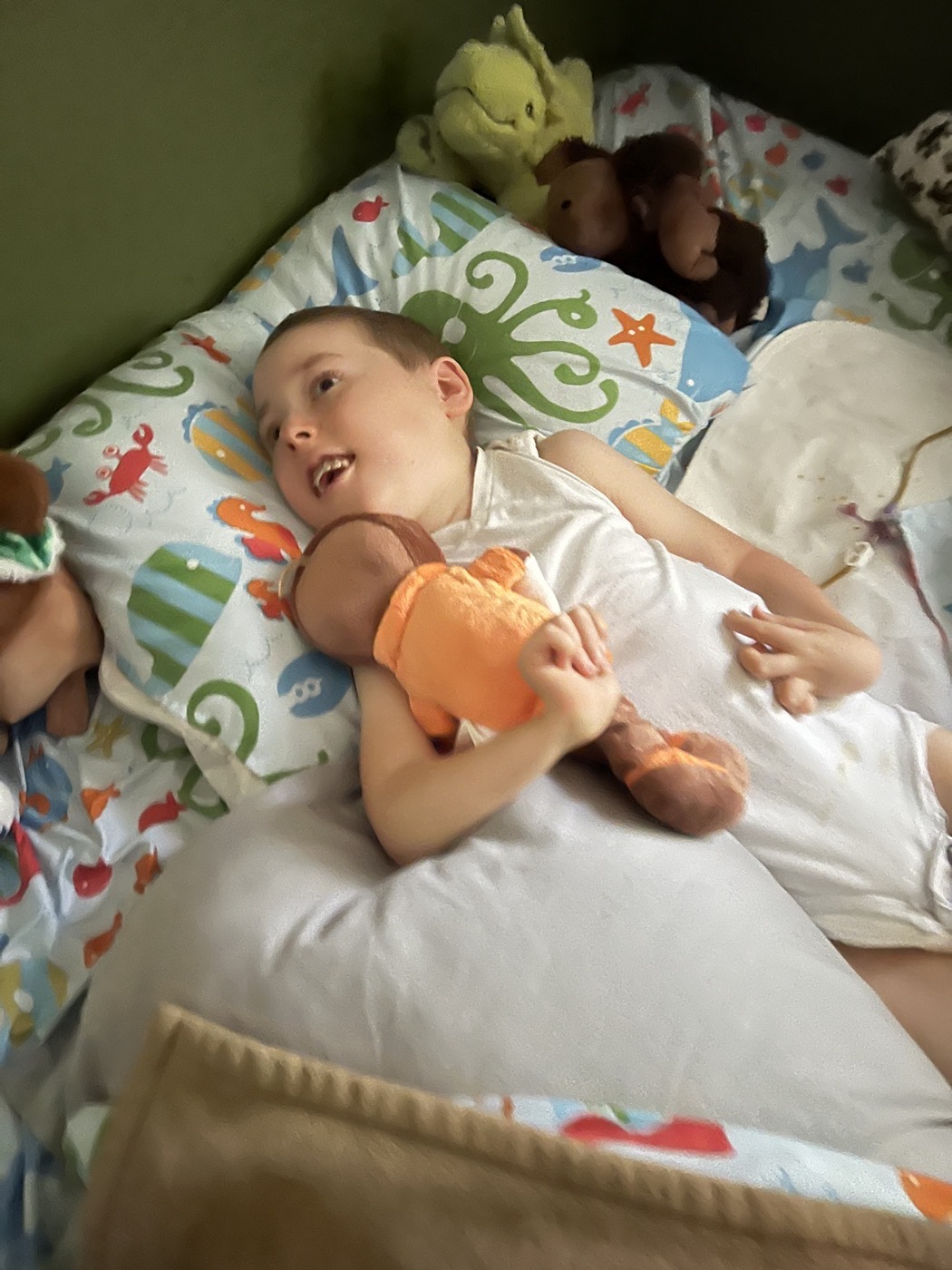
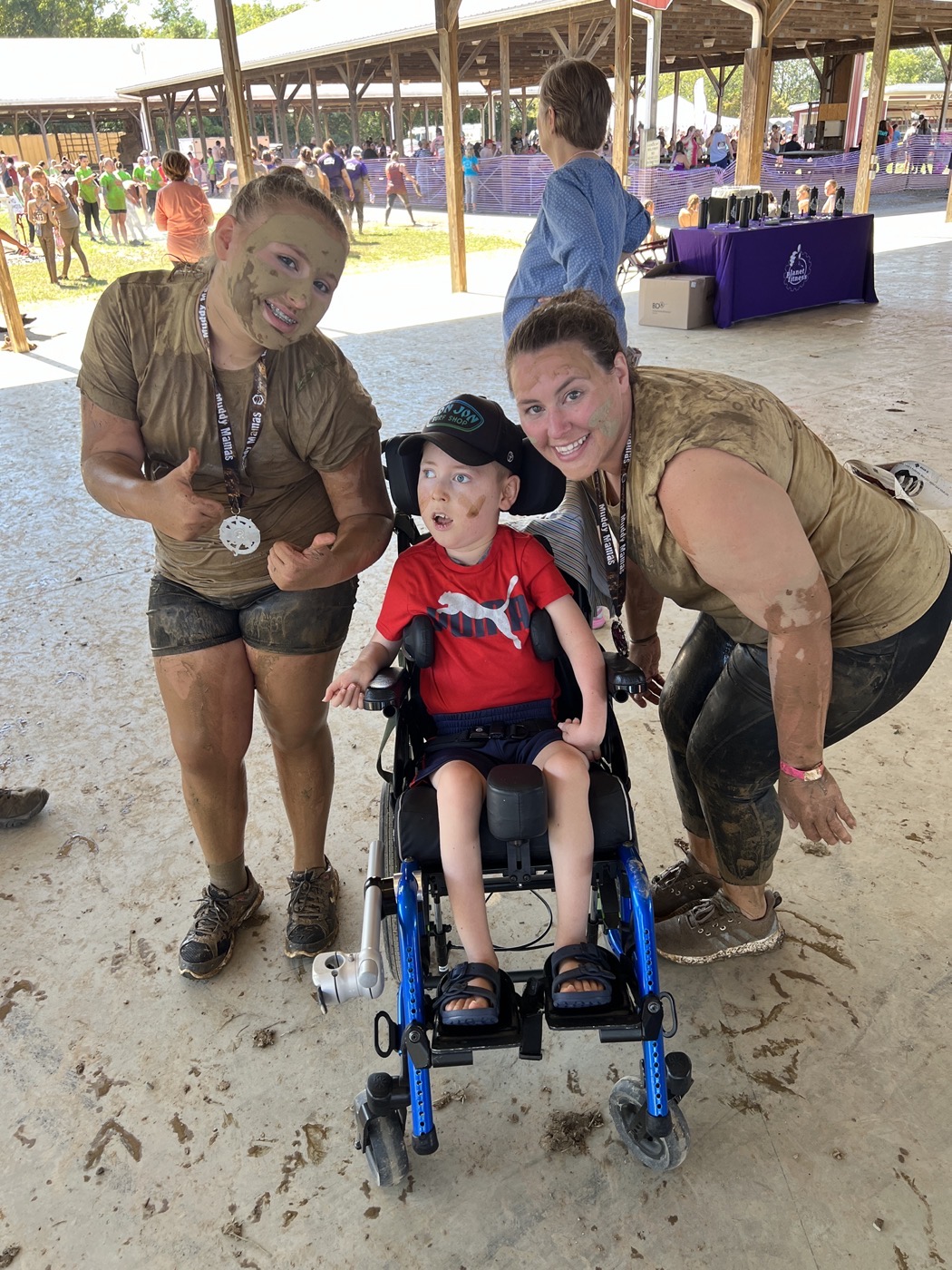
Our story
Who we are
Jack Docs was built by our family, for families like ours.

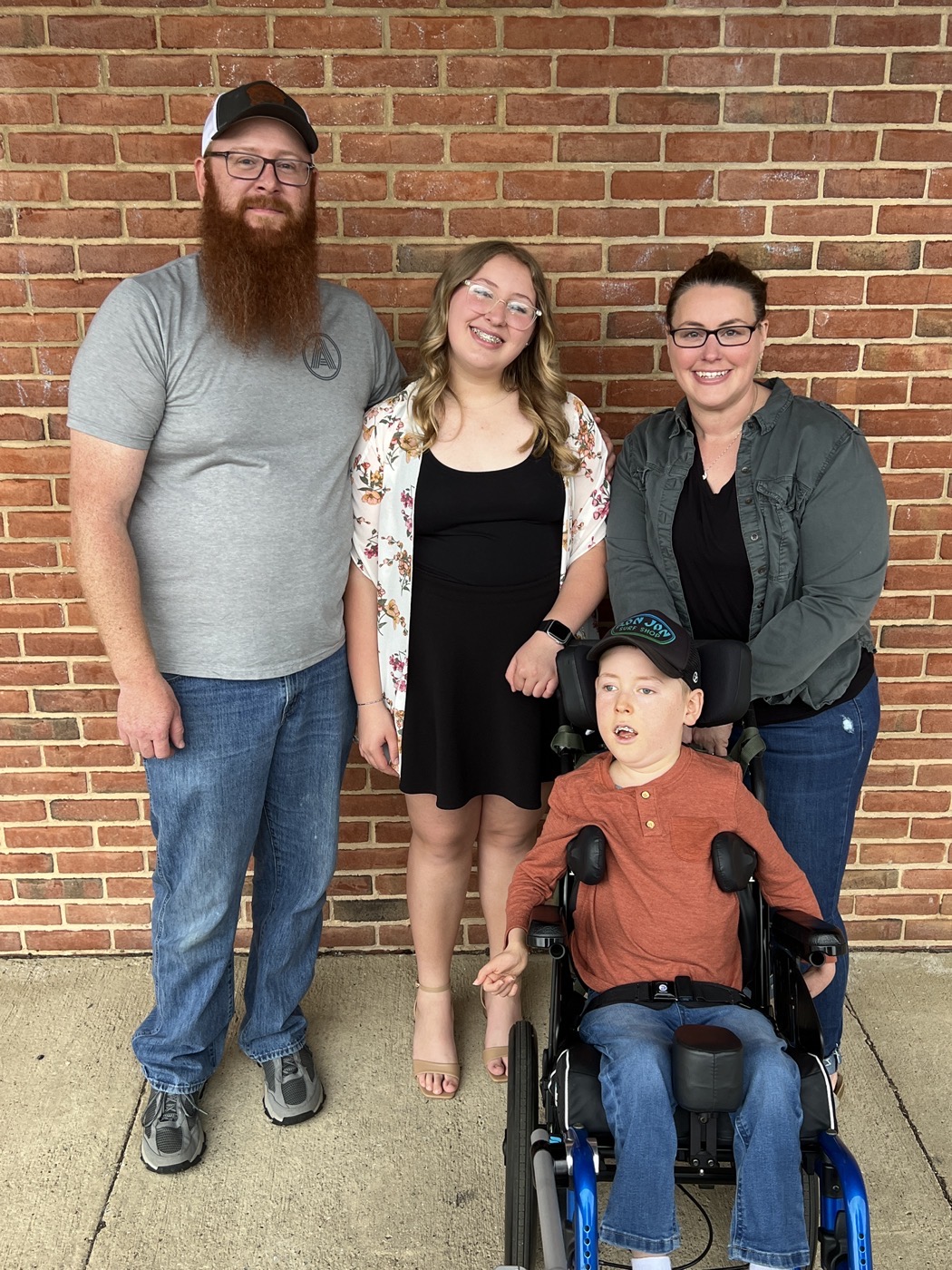
Our family — Ben, Heather, Ava, and Jackson.
Our story
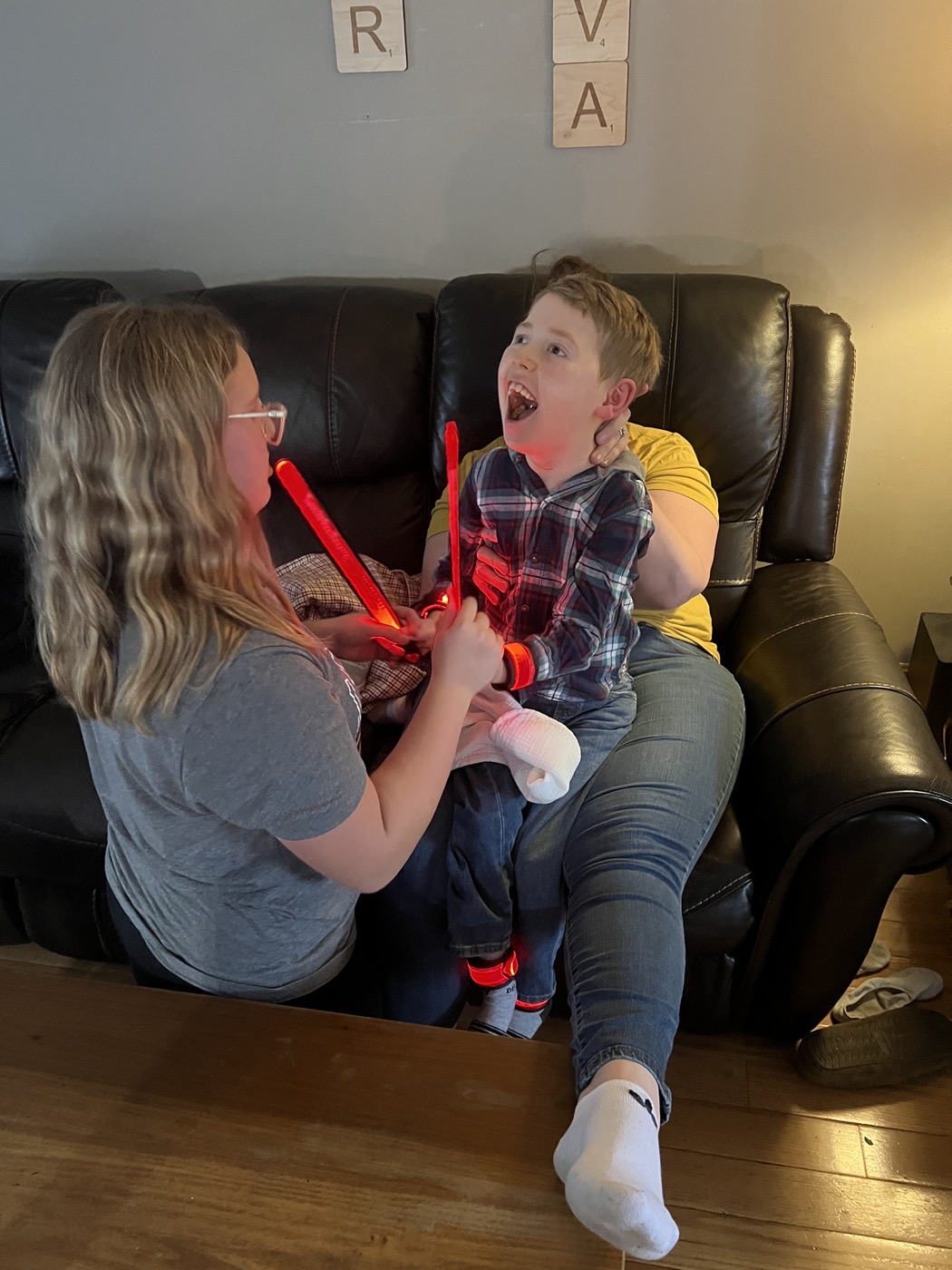
We're Ben, Heather, Ava, and Jackson. Jackson is our son, and Ava is his big sister. Our life has been shaped by raising a medically complex child at home, and that reality changes everything — how you move through a day, how you sleep, how you plan, and how much detail you have to carry in your head at all times.
Jackson has Pelizaeus-Merzbacher disease (PMD), a rare PLP1-related leukodystrophy. Over the years we've lived through much of what comes with complex pediatric care at home. We've been through a trach. We've had overnight nursing. We've managed medications, tube feeds, appointments, equipment, supplies, changing routines, and the constant handoffs that come with making sure everyone caring for your child has the same information.
If you know this world, you know how much of family life can revolve around communication alone.
Most home care runs on a patchwork families build for themselves: notebooks on the counter, sticky notes near the meds, text threads, verbal updates, phone notes, screenshots, and a running mental checklist that never really shuts off. It works for a while. Until it doesn't. Until someone asks, "Did he already get that?" or "What happened overnight?" or "When did this start?" — and the answer is buried somewhere between memory, messages, and exhaustion.
That was our life for a long time. So we built Jack Docs.
What we needed
We didn't set out to start a software company or chase a market. We needed one shared place to document care as it actually happens at home: a timeline everyone could trust, fast enough to use with one hand, simple enough for any caregiver to pick up, and complete enough to bring into an appointment without reconstructing the last week from scraps.
We needed something built for real home care, not hospital charting.
That difference matters to us. Jack Docs isn't trying to replace your child's medical record or pretend to be an EHR. It's built for the work that happens in kitchens, bedrooms, living rooms, therapy bags, clinic waiting rooms, and cars — for parents, grandparents, nurses, respite caregivers, and everyone doing the work of care together.
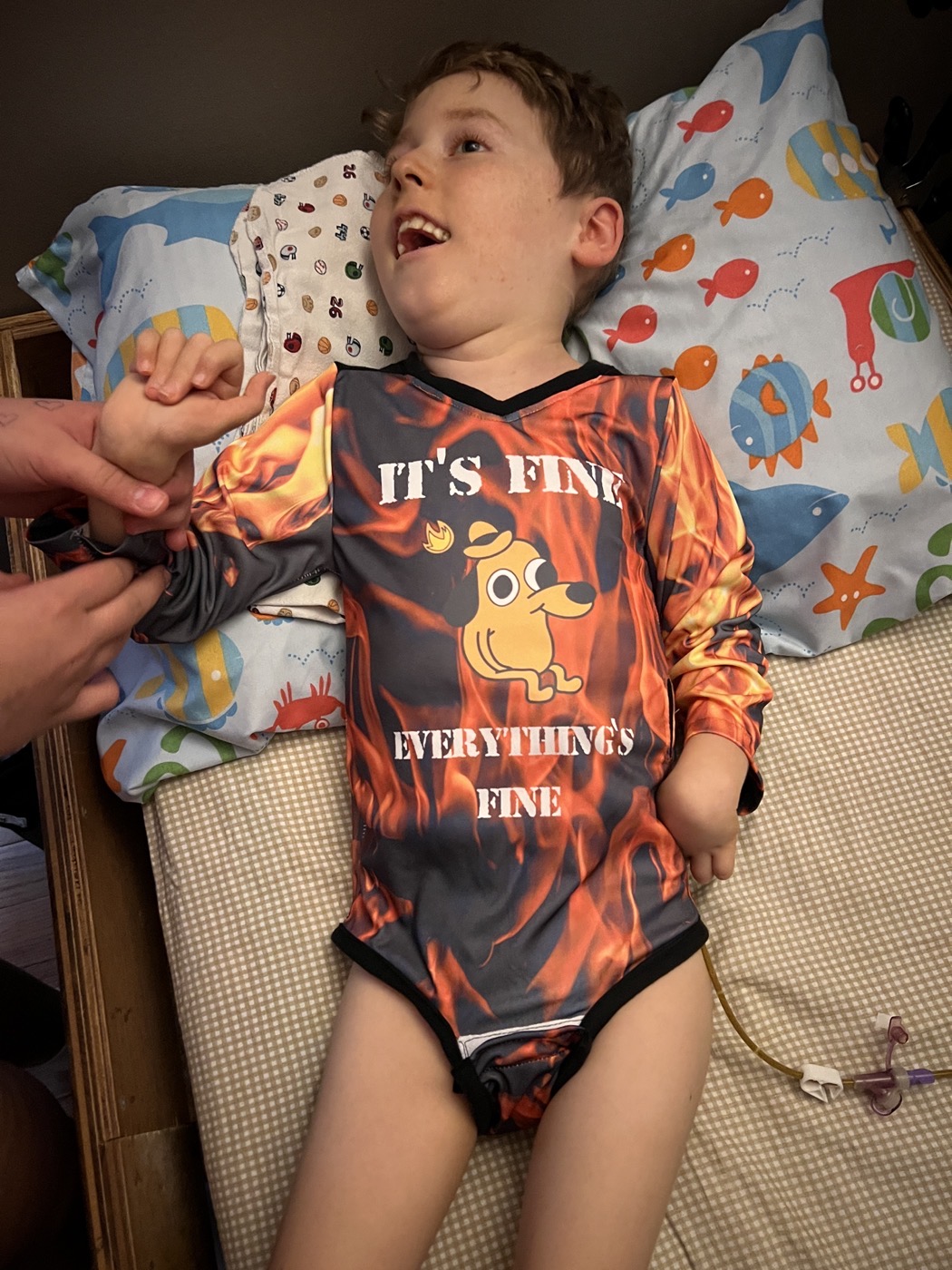
In our house, that means tracking medications, tube feeds, daily care, symptoms, observations, and appointments — all the small details that end up mattering more than you expect. It means cleaner handoffs between shifts, between caregivers, and between one exhausted part of the day and the next. It means having a clear record when something changes, when a pattern starts to emerge, or when it's time to talk with a doctor and you want more than a vague memory of how the week went.
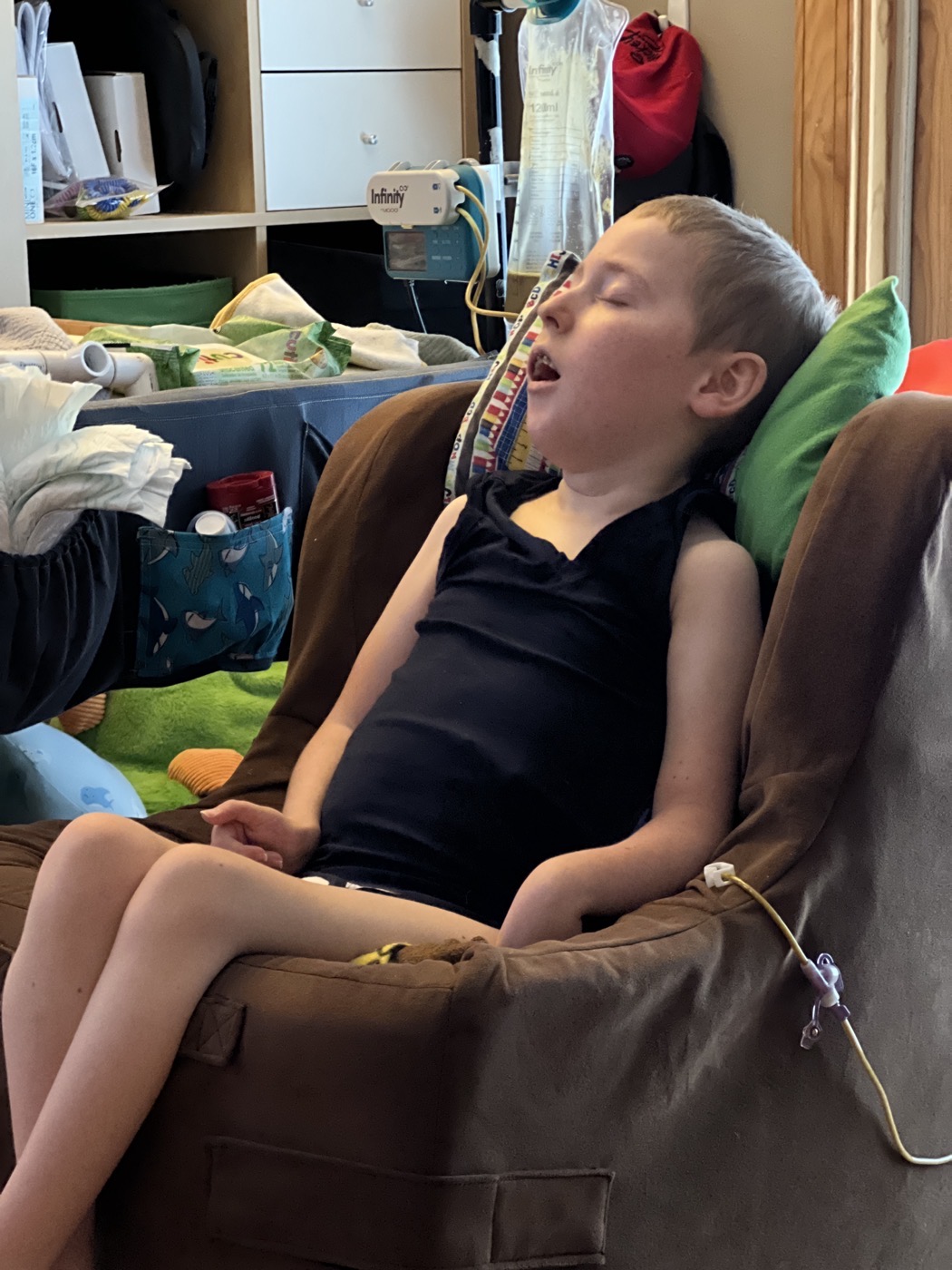
Home care — feeds, equipment, and the real day-to-day.
Why we're sharing it
Every medically complex child is different, but we know we're not the only family trying to hold all of this together at home. We know what it feels like to need better tools and not find them — to want something practical and calm instead of one more system that adds work. That's why we're building Jack Docs in the open and sharing it with other families.
At the center of all of it is Jackson. He is not a diagnosis or a care plan. He is our son, Ava's little brother, and the reason we've learned so much about resilience, advocacy, love, and the strange amount of logistics required to keep a family moving when care is part of everyday life.
Jack Docs exists because we wanted something better for him, for our family, and for the people who help care for him. If it makes life a little clearer for your family too, that means a lot to us.
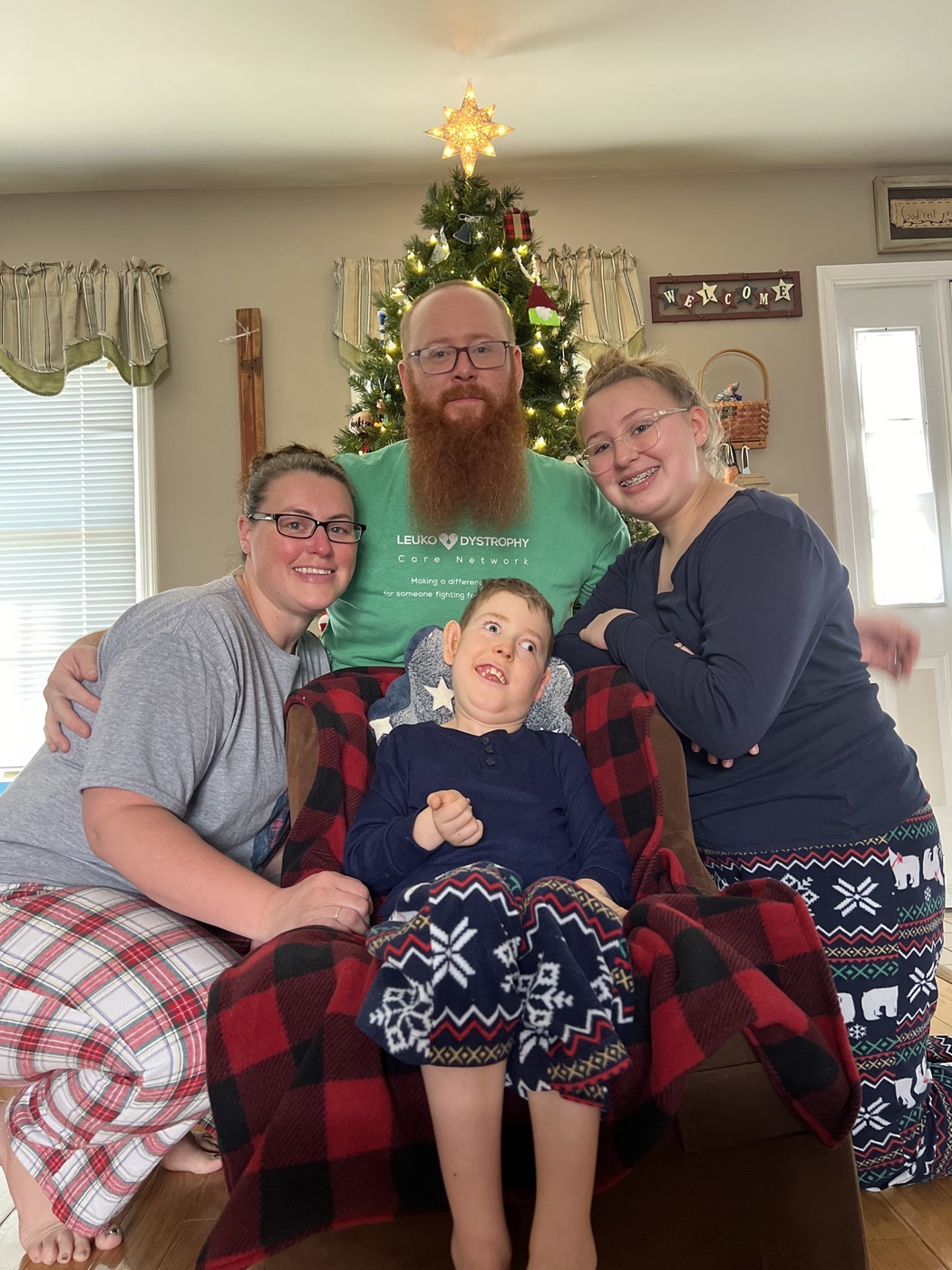
Our family — the reason we built this and share it.
Life at home
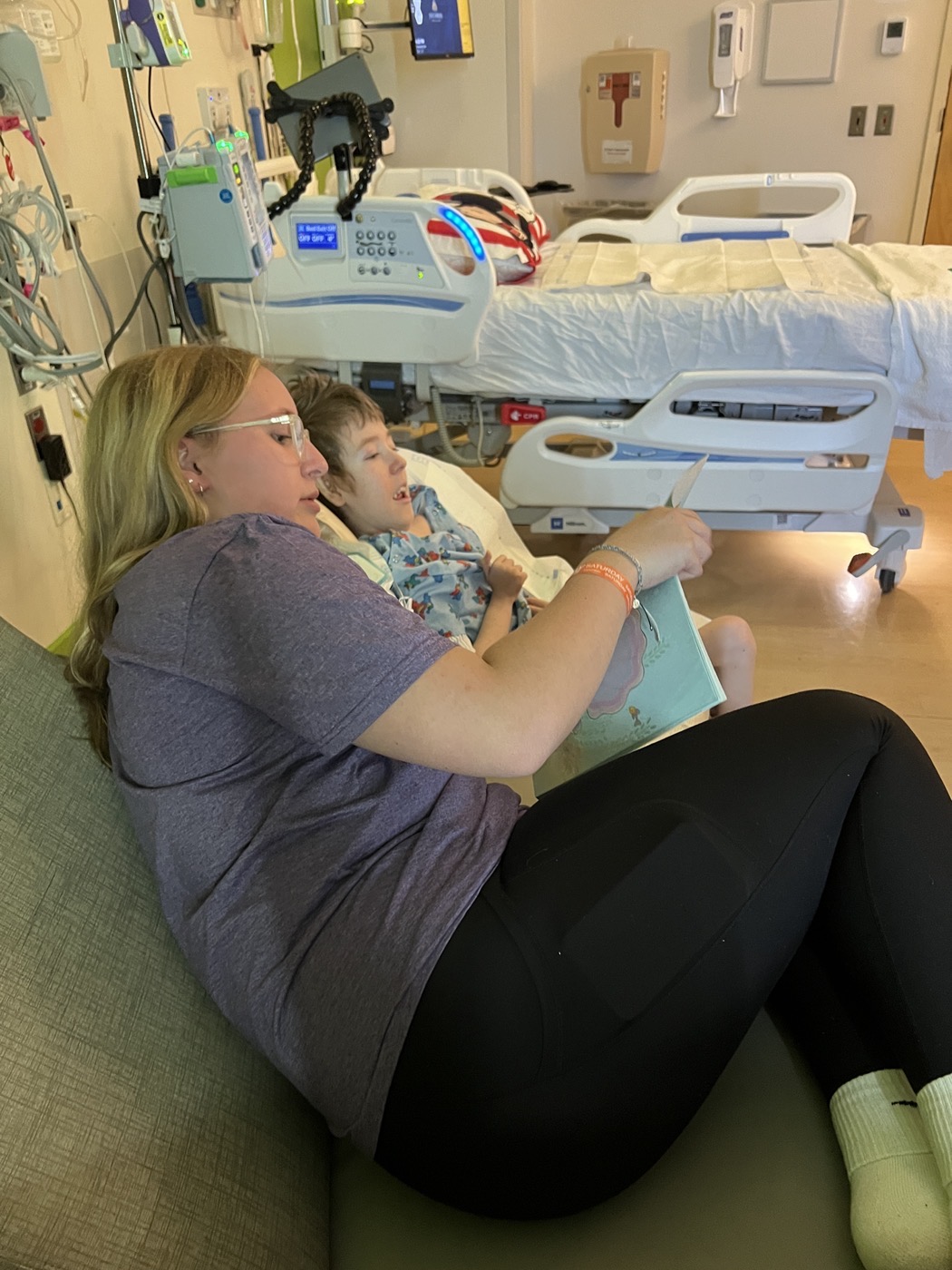
Home life, hospital days, and the people who make care work.